

If you were hurt in a Prairieville car accident, the insurance company may start working on the claim before you have even had time to understand your injuries. You do not have to give the other driver’s adjuster a recorded statement, accept an early settlement, or guess what your case is worth.
Our Prairieville personal injury lawyers help people injured in crashes on LA-42, LA-73, Airline Highway, and throughout Ascension Parish. We investigate fault, identify every available insurance policy, document the full effect of the injury, and deal directly with the insurers. You pay no attorney fee unless we recover money for you.
Get My Free 48 to 72 Hour Action Plan, or call or text (225) 500-5000. We will explain the evidence that needs to be protected, the deadlines that may apply, and the next steps for your particular crash.
Prairieville Car Accident Claims: Quick Answers
- How long do I have? Most injury claims arising from crashes on or after July 1, 2024, are subject to a two-year prescriptive period. Earlier crash claims were generally subject to a one-year period, and exceptions can change the calculation.
- What if I am partly at fault? For a crash governed by the law effective January 1, 2026, fault of 51 percent or more bars recovery. Fault below 51 percent reduces the recovery proportionally.
- Should I talk to the other insurer? You can provide basic contact information, but speak with a lawyer before giving a recorded statement, signing a medical authorization, or accepting a settlement.
- What does it cost? We handle injury cases on a contingency-fee basis. You owe no attorney fee unless we recover money for you.
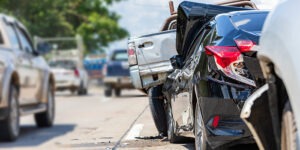
What Should You Do After a Car Accident in Prairieville?
Your health comes first. If anyone may be injured, call 911. Then, if you can do so safely, take a few practical steps to protect both your health and the evidence:
- Report the crash. Ask for law enforcement and make sure an official report is prepared.
- Photograph the entire scene. Capture vehicle positions, damage, skid marks, debris, traffic signals, signs, lane markings, and anything blocking a driver’s view.
- Get witness information. A name and phone number may matter more than a witness realizes, especially when the drivers disagree about a light, lane change, or right of way.
- Get appropriate medical care. Tell the provider about every symptom and how the crash happened. Do not minimize pain, confusion, dizziness, numbness, or other problems.
- Preserve what you have. Save dashcam video, photographs, damaged personal property, towing records, receipts, work excuses, and every letter or email from an insurer.
- Be careful with the other insurer. Basic contact information is one thing. A recorded statement, medical authorization, or release can affect the entire claim.
Evidence can disappear long before the legal filing deadline arrives. Nearby surveillance video may be overwritten, vehicles may be repaired or sold, and witnesses become harder to locate. Starting early gives your lawyer a better chance to preserve what actually happened.
Why the Exact Prairieville Crash Location Matters
LA-42, LA-73, and US-61 carry different traffic patterns, turning movements, lane configurations, and nearby sources of evidence. The precise location can determine which agency responds, whether a traffic or business camera may have recorded the collision, which signals or signs controlled the drivers, and where witnesses were positioned. A broad description such as “on Airline Highway” is not enough for a serious investigation.
Which Agency Handles the Crash Report?
Prairieville is a census-designated community rather than an incorporated city with its own police department. Depending on the road and circumstances, a crash may be investigated by the Ascension Parish Sheriff’s Office or Louisiana State Police Troop A, which covers Ascension Parish.
Do not assume the report settles fault. It is an important starting point, but it may not include every witness, camera, vehicle event data record, or fact needed to answer an insurer’s comparative-fault argument. We obtain the report, review the physical evidence, contact witnesses, and investigate beyond the boxes checked at the scene.
How Long Do You Have to File a Louisiana Car Accident Lawsuit?
For most crashes occurring on or after July 1, 2024, Louisiana Civil Code article 3493.1 provides a two-year prescriptive period that generally begins on the date the injury or damage is sustained. Earlier crash claims were generally subject to the former one-year period. You can read the current text of Louisiana Civil Code article 3493.1.
The accident date matters. The two-year rule does not revive a claim that expired under the former law, and exceptions can change the analysis. Claims involving a death, a minor, a government vehicle, an unknown driver, or conduct spanning more than one state deserve an individual deadline review. Do not use a general website calculation as your filing calendar.
Prescription is only the last day to file suit. It is not the date to begin investigating. Waiting can weaken a claim even when the filing deadline is still months away.
How Does Louisiana’s New 51 Percent Fault Rule Affect Your Claim?
The law governing your crash depends on when it happened. Under the version of Louisiana Civil Code article 2323 effective January 1, 2026, an injured person who is found 51 percent or more at fault cannot recover damages. If the injured person is less than 51 percent at fault, the recovery is reduced by that percentage.
For a crash before January 1, 2026, the governing version of the law should be reviewed rather than assuming the new cutoff applies. Louisiana’s former pure comparative-fault rule reduced recovery by the injured person’s percentage of fault but did not impose a 51 percent bar. This is another reason the crash date must be checked before anyone evaluates the claim.
For example, if damages are proven at $200,000 and the injured person is found 20 percent at fault, the award would ordinarily be reduced by 20 percent to $160,000. If the injured person is found 51 percent at fault under the current rule, the recovery is zero.
That sharp cutoff gives an insurer a powerful reason to shift blame. Common arguments include claims that the injured driver:
- was speeding or following too closely;
- changed lanes without enough clearance;
- could have avoided the collision;
- was distracted by a phone or passenger;
- failed to use lights or a turn signal; or
- made an injury worse by delaying medical care.
A percentage should not be accepted just because an adjuster assigned it. Fault must be supported by evidence. Scene photographs, vehicle damage, witness accounts, video, event data, phone records, and the applicable traffic rules can all affect the final allocation.
Where Can a Prairieville Car Accident Lawsuit Be Filed?
If Ascension Parish is a proper venue, the case may proceed in the 23rd Judicial District Court, which serves Ascension, Assumption, and St. James Parishes. Louisiana Code of Civil Procedure article 74 permits certain actions to be brought where the wrongful conduct occurred or where damages were sustained, but other venue rules may also apply. The court maintains Ascension Parish courthouses in Gonzales and Donaldsonville. Prairieville’s unincorporated status does not by itself decide venue or require every case to be filed in Gonzales.
The proper court can depend on where the crash occurred, where a defendant is domiciled, which defendants are sued, and other facts. We determine venue from the actual parties and claims instead of relying on a one-size-fits-all rule.
What Compensation May Be Available After a Prairieville Crash?
A car accident claim should account for more than the bills already sitting on the kitchen table. Depending on the evidence, Louisiana law may allow recovery for:
- ambulance, emergency room, hospital, therapy, medication, and other past medical expenses;
- reasonably necessary future medical care;
- lost wages and loss of future earning capacity;
- physical pain and suffering;
- mental anguish and emotional distress;
- disability, scarring, or disfigurement;
- loss of enjoyment of life;
- vehicle damage, loss of use, towing, and related property losses; and
- other damages supported by the facts, including certain family claims.
Louisiana does not have a legitimate “average settlement” for a car accident. The result turns on the injury, medical proof, fault, available insurance, future limitations, wage evidence, credibility, and the likely cost and risk of trial.
In a qualifying drunk-driving case, exemplary damages may also be available under Louisiana Civil Code article 2315.4. Those damages are not automatic. The evidence must satisfy the statute.
Which Insurance Policies May Cover the Loss?
The other driver’s liability policy is often only the first place to look. A complete coverage investigation may include:
- the at-fault driver’s liability coverage;
- coverage on a vehicle owned by someone else;
- an employer’s policy if the driver was working;
- commercial or rideshare coverage;
- your uninsured or underinsured motorist coverage;
- Medical Payments coverage, if included in your policy; and
- umbrella or excess insurance.
We request the relevant policies and coverage information, analyze exclusions and endorsements, and look for additional responsible parties when the first policy is not enough.
How Babcock Injury Lawyers Builds a Car Accident Claim
Our work begins with the facts, not a settlement demand template. Depending on the case, we may:
- secure crash reports, 911 records, photographs, and available video;
- send preservation letters before electronic or physical evidence is lost;
- interview witnesses and investigate disputed fault;
- identify liability, UM, commercial, umbrella, and excess coverage;
- organize medical records and connect the treatment to the collision;
- document missed work, reduced hours, and impaired earning ability;
- calculate future losses with qualified professionals when needed;
- handle insurer communications and settlement negotiations; and
- file suit and prepare the case for trial when the insurer will not make a fair offer.
You should know what is happening in your case and why. We explain the choices, the risks, and the numbers in plain English so you can make the final decision.
Want a case-specific starting point? Get My Free 48 to 72 Hour Action Plan, or call or text (225) 500-5000. It will identify the immediate evidence issues, likely insurance questions, filing-date concerns, and practical next steps based on what you tell us.
When Is It Worth Calling a Prairieville Car Accident Lawyer?
A brief consultation makes sense when injuries required medical care, fault is disputed, the other driver was uninsured or underinsured, a commercial vehicle was involved, you missed work, or an insurer is asking for a statement or release. It is especially important to get advice before accepting money when your diagnosis, recovery time, or future treatment is still uncertain.
You may not need to hire a lawyer for every property-damage-only claim. We will tell you plainly if the matter appears to be one you can reasonably handle yourself.
Frequently Asked Questions About Prairieville Car Accidents
The insurance company says I was partly at fault. Do I still have a case?
Possibly. The answer depends on the law in effect on the date of your crash and the evidence supporting each driver’s percentage of fault. For a claim governed by the rule effective January 1, 2026, fault below 51 percent generally reduces the recovery, while fault of 51 percent or more bars it. An adjuster’s initial percentage is not a court ruling.
Should I give the other driver’s insurer a recorded statement?
You generally do not have a contractual duty to give the opposing insurer a recorded statement. The adjuster may ask questions designed to secure admissions about speed, attention, prior injuries, or symptoms before you know the full medical picture. Speak with a lawyer first. Your own policy may impose cooperation duties, but those duties should also be handled carefully.
What if the other driver has no insurance?
Your own uninsured or underinsured motorist bodily-injury coverage may apply. Louisiana auto liability policies generally include UM bodily-injury coverage unless the insured validly rejected it, selected lower limits, or selected economic-only coverage on the required form. Vehicle-damage coverage is a separate question. Other coverage may also exist when the driver was working, driving someone else’s vehicle, or using a rideshare platform. A policy and coverage-form review is often necessary before concluding there is no source of recovery.
Does Louisiana require PIP coverage?
No. Louisiana is not generally a no-fault PIP state. An auto policy may instead include optional Medical Payments coverage, and health insurance can also affect how treatment is paid while the liability claim is pending.
What if I did not have auto insurance?
Louisiana’s compulsory insurance and “No Pay, No Play” statute can restrict an uninsured owner’s or operator’s recovery even when another driver caused the crash. For a crash governed by the current version of La. R.S. 32:866, the restriction can reach the first $100,000 of bodily-injury damages and the first $100,000 of property damages. The statute contains exceptions, and its application can depend on the crash date, who owned the vehicle, who was driving, the available insurance, and the facts. Do not assume either that the claim is worthless or that the rule does not apply.
Should I accept an early settlement offer?
Not before you understand the injuries, coverage, unpaid bills, lost income, and release language. Once a claim is fully released, you generally cannot reopen it because symptoms worsened or another procedure became necessary. An early offer may value only what is known today.
What if my pain did not start until the next day?
Some symptoms become noticeable after the initial stress and adrenaline fade. Get appropriate medical attention and give the provider an accurate history. A delay does not automatically defeat a claim, but unexplained gaps in care give the insurer something to challenge.
How much does it cost to hire Babcock Injury Lawyers?
We handle injury cases on a contingency-fee basis. You do not pay an attorney fee unless we recover money for you. We explain the fee agreement and case-expense terms before you decide whether to hire us.
Get My Free 48 to 72 Hour Action Plan
After a serious crash, you need more than a promise that someone will “fight.” You need to know what evidence is at risk, which insurance may apply, what deadline controls, and what to do next.
Call or text Babcock Injury Lawyers at (225) 500-5000, or use our online contact form. Tell us what happened, and we will start building your free 48 to 72 Hour Action Plan. There is no attorney fee unless we recover money for you.
Baton Rouge Office
10101 Siegen Lane, Suite 3C
Baton Rouge, LA 70810
(225) 500-5000
Editorial & Legal Accuracy Notice (Louisiana)
This page provides general information about Louisiana law and is not legal advice. Laws, deadlines, insurance provisions, and facts differ from case to case. Reading this page or contacting the firm does not create an attorney-client relationship. An attorney-client relationship begins only through a written agreement signed by the client and the firm.