

If a dog bit, mauled, or knocked you down in Slidell, get the injury treated and protect the evidence before the scene changes. Gates get repaired. Video is overwritten. Witnesses become harder to find. The dog’s owner may also report the event to an insurance company before you know what facts are being disputed.
A Slidell dog bite lawyer can identify who owned and controlled the dog, preserve the first records, investigate whether the attack could have been prevented, and document the full effect of the injury. Babcock Injury Lawyers helps injured people in Slidell and the surrounding area with a free review and a practical 48 to 72 hour action plan. Call or text (985) 777-5000 or start your free case review online.
Quick answer: Louisiana does not give every dog a free first bite. Under Louisiana Civil Code article 2321(B), a dog owner may be strictly liable when the dog caused the injury, the attack was preventable, and the injury did not result from the injured person’s provocation. The Louisiana Supreme Court has explained that proving preventability also requires proof that the dog presented an unreasonable risk of harm. A prior bite is not an absolute prerequisite, but liability is not automatic simply because a bite occurred.
Editorial review note: On the date above, we checked the Louisiana Legislature, Louisiana Supreme Court, Slidell Police Department, and St. Tammany Parish sources linked on this page.
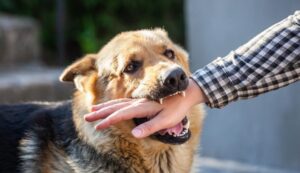
What Louisiana Dog Bite Law Requires
Louisiana’s dog-owner rule is strict liability, but it is not automatic liability. Article 2321 and the Louisiana Supreme Court’s decision in Pepper v. Triplet require proof that:
- The defendant owned the dog.
- The dog caused injury to a person or damage to property.
- The dog presented an unreasonable risk of harm.
- The owner could have prevented the injury.
- The injury did not result from the injured person’s provocation of the dog.
The phrase “strict liability” matters because the injured person does not have to prove, as a separate element, that the owner already knew or should have known the dog was dangerous. That is why Louisiana is commonly described as rejecting the one-bite rule. Still, prior growling, lunging, escapes, complaints, or attacks can be powerful evidence that the danger was real and that better restraint was needed.
The full setting matters. A loose dog charging a public sidewalk presents a different risk from a secured dog approached inside a closed enclosure. Courts can consider the dog’s behavior, the owner’s precautions, where the encounter occurred, why the injured person was there, warnings, restraint, and the conduct of everyone involved. Our detailed guide explains how evidence supports a Louisiana dog bite claim.
What to Do After a Dog Attack in Slidell
- Get appropriate medical care. Call 911 for a medical emergency. Even when a wound looks small, a clinician may need to evaluate infection risk, tetanus status, rabies exposure, tendon or nerve damage, and whether follow-up care is needed. The medical record also documents the injury and when treatment began.
- Report the attack to the agency serving the location. A bite that breaks the skin should be reported promptly. Slidell City Code section 6-31 requires a report to Animal Control or the police as soon as possible and no later than 24 hours. For an incident within Slidell city limits, Slidell Animal Control handles animal-bite cases and lists (985) 646-4267. Call 911 for an emergency. For an incident outside the city but within St. Tammany Parish, use the St. Tammany Parish Animal Services nonemergency request or call (985) 809-0183 for an emergency complaint.
- Identify the dog, owner, and handler. Get names, addresses, phone numbers, vaccination information, and the exact address where the attack happened. Do not put yourself at risk trying to catch or restrain the dog.
- Photograph more than the wound. Photograph the injury, torn or bloody clothing, the dog if it can be done safely, the gate, fence, leash, warning signs, and the path the dog used. Continue dated photographs as bruising, infection, or scarring changes.
- Find witnesses and video. Save names and phone numbers. Ask nearby homes and businesses to preserve doorbell or surveillance footage before routine deletion.
- Preserve what was damaged. Keep clothing, shoes, bags, bicycles, or other property in their post-attack condition. Do not wash or repair an item before photographing and storing it.
- Be careful with insurance paperwork. Before giving a recorded statement, signing a broad medical authorization, or accepting an early release, find out who is asking, what the document covers, and whether a policy requires your cooperation.
Evidence That Can Decide a Slidell Dog Bite Claim
The strongest dog bite cases are usually built from several records that confirm the same facts. An animal-control report helps, but it rarely proves every disputed issue by itself.
| Disputed issue | Evidence that may help | Why it matters |
|---|---|---|
| Who owned or controlled the dog? | License and veterinary records, rabies paperwork, photographs, texts, social posts, lease records, and witness statements | Article 2321’s strict-liability provision applies to the owner, while a handler or another party may require a separate negligence analysis. |
| Could the attack have been prevented? | Gate and fence photographs, leash evidence, prior escapes, complaints, warnings, and video | Preventability and unreasonable risk of harm are central parts of the claim. |
| Was the dog provoked? | Neutral witnesses, video, the positions of the people and dog, contemporaneous messages, and the first report | Article 2321 expressly makes provocation an issue, and insurers often try to expand the word beyond what the evidence supports. |
| How serious is the injury? | Emergency and follow-up records, dated wound and scar photos, specialist recommendations, work notes, receipts, and a short daily-impact log | A day-one photograph or bill may not show infection, nerve damage, scar maturation, or emotional effects that develop later. |
| What insurance may apply? | Homeowners, renters, business, umbrella, and other liability policies, plus the actual exclusions and insured definitions | Coverage depends on the policy language. Assumptions about coverage or limits are not a substitute for the policy. |
Who May Be Responsible for a Dog Attack?
The dog owner is usually the first person evaluated under Article 2321. Ownership, however, is not always obvious. The dog may belong to a relative, roommate, tenant, customer, or employee rather than the person holding the leash or occupying the property.
A person who was keeping or handling the dog may also face a negligence claim if that person’s own conduct created an unreasonable danger. The analysis can include whether the handler ignored instructions, opened a gate, dropped a leash, failed to separate the dog from a guest, or otherwise failed to use reasonable care.
A landlord, apartment complex, business, or property owner is not automatically strictly liable merely because the attack happened on its property. A separate claim may exist when that party had its own legal duty and the evidence establishes the required knowledge, control, and failure to act. A defective common-area gate or fence may support a premises-liability theory, but ownership of the property alone is not enough. Custody, defect, causation, notice, preventability, and reasonable care are fact-specific. We do not add defendants just because their names appear on a deed.
Insurance coverage is a policy question, not a guess
Homeowners, renters, business, or umbrella liability insurance may cover a dog attack. Coverage can depend on who qualifies as an insured, where the attack occurred, how the dog was used, and whether the policy contains an animal-specific or other exclusion. Some owners have no applicable coverage, and some injuries exceed the available limits. We identify potentially applicable policies and review the actual language before advising a client about the available recovery path. Our insurance guide explains how coverage may apply to a Louisiana dog bite.
Compensation a Slidell Dog Bite Claim May Include
A dog bite claim is not valued from the emergency bill alone. Depending on the medical proof, work history, coverage, and facts, recoverable damages may include:
- Past and future medical expenses
- Emergency treatment, wound care, medication, and infection treatment
- Plastic surgery, scar revision, or other specialist care
- Past and future lost income or diminished earning capacity
- Physical pain and suffering
- Mental anguish, anxiety, sleep disruption, or trauma
- Scarring, disfigurement, nerve damage, or loss of function
- Loss of enjoyment of life
- Damaged clothing or other property
Every category must be supported. That is why follow-up records, dated scar photographs, work documentation, and a clear account of day-to-day limitations matter. An insurer’s early offer may arrive before the wound has healed enough to evaluate the final scar or before a specialist has decided whether further treatment is appropriate.
Why Child Dog Bite Claims Need Special Care
Children are often bitten at face level and may have difficulty describing the sequence of events. A parent should preserve the child’s first words without coaching, identify every adult who was present, and document changes in sleep, school, play, fear of animals, and medical treatment. Facial scars may need time and specialist evaluation before their long-term effect can be understood.
Do not assume that a child automatically has until age 18 to bring a claim. Louisiana Civil Code article 3468 says prescription generally runs against minors unless legislation creates an exception. A child’s ordinary dog bite deadline may therefore run on the same general timetable as an adult’s, subject to any fact-specific suspension, interruption, or other exception.
Louisiana Fault Rules and Filing Deadlines
For attacks on or after January 1, 2026, 51 percent fault is a complete bar
For injuries occurring on or after January 1, 2026, Louisiana Civil Code article 2323 applies a modified comparative-fault rule. A person found 51 percent or more at fault cannot recover damages. At 50 percent or less, damages are reduced by the assigned percentage of fault.
Attacks before January 1, 2026 are generally governed by Louisiana’s former pure comparative-fault rule. The attack date, not the date the claim is presented or the lawsuit is filed, determines which version applies. In a dog case, the percentage dispute may focus on alleged provocation, ignored warnings, entry onto private property, or the injured person’s conduct around the dog. Conduct may support comparative fault even when it does not amount to provocation under Article 2321, so the two issues should not be treated as interchangeable. Objective evidence can keep allegations about the victim’s conduct from becoming the only version in the file. Our Louisiana comparative-fault guide explains the 2026 change in more detail.
Most newer Louisiana dog bite claims have a two-year prescriptive period
Louisiana Civil Code article 3493.1 generally provides a two-year prescriptive period running from the day the injury or damage is sustained. The change applies prospectively to delictual actions arising on or after July 1, 2024. Claims arising before that date generally remained subject to the former one-year period.
Two years is not a reason to wait. Video may disappear within days, physical conditions change, and witness memory weakens. Exceptions, interruptions, and the identity of the responsible parties can also affect the calculation. Review the date early instead of treating a general rule as a guaranteed deadline. See our broader guide to Louisiana personal injury deadlines.
How Babcock Injury Lawyers Helps Slidell Dog Bite Victims
Stephen Babcock began his legal career as a trial attorney for Allstate. That insurer-side experience helps our team recognize how carriers test ownership, provocation, prior behavior, comparative fault, medical causation, and coverage. Since founding the firm in 2003, Stephen has built a litigation practice around early evidence, direct communication, and trial-ready preparation.
In a dog attack claim, our work may include:
- Identifying the owner, handler, property interests, and available insurance
- Preserving video, scene conditions, reports, witness accounts, and digital records
- Investigating prior incidents, complaints, restraint failures, and veterinary or licensing records when available
- Addressing provocation and comparative-fault allegations before they harden into the insurance narrative
- Documenting wound progression, infection, function loss, scarring, emotional harm, and income loss
- Preparing the claim for litigation when the insurer will not evaluate the evidence fairly
Learn more about the Babcock Benefit and read our client reviews.
What you get on the first call
- A focused review of ownership, preventability, provocation, injury, insurance, and timing
- A 48 to 72 hour plan for the evidence most likely to disappear
- A checklist of photographs, reports, witness information, video, and medical records to preserve
- Clear guidance about insurer calls, authorizations, releases, and immediate next steps
The consultation is free. If we accept the case, the attorney fee is contingent on a recovery. The fee terms and responsibility for case costs are explained in a written agreement before you hire us.
Call or text (985) 777-5000 or request your free 48 to 72 hour action plan. You do not need every document before calling. Start with what happened, when it happened, where it happened, and what medical care you have received.
Slidell Dog Bite Questions
What if the dog had never bitten anyone before?
A prior bite is not an absolute requirement under Article 2321. A first incident can support a claim, but the victim must still prove that the dog caused the injury, presented an unreasonable risk of harm, the owner could have prevented the injury, and the injury did not result from provocation. Evidence of prior aggression can strengthen the proof, but its absence does not automatically end the case.
Can I recover if I was partly at fault?
The incident date controls. For an attack on or after January 1, 2026, recovery is barred if you are found 51 percent or more at fault. At 50 percent or less, damages are reduced by your percentage. Earlier incidents are generally governed by the former pure comparative-fault rule. Provocation is also a separate element of the Article 2321 strict-liability analysis.
Does homeowners or renters insurance cover a dog bite?
It may, but there is no universal answer. Coverage depends on the actual policy, the people insured, the location and circumstances of the attack, and any animal-specific or other exclusion. Do not rely on a standard dollar range or assume there is coverage until the applicable policies have been identified and reviewed.
What if a landlord owned the property but a tenant owned the dog?
The landlord is not automatically strictly liable for a tenant’s dog. A separate negligence or premises claim may require proof of actual knowledge, control, a defective common-area condition, or another independent failure. The dog owner remains the primary focus under Article 2321.
Can there be a claim if the dog did not break the skin?
Yes. Article 2321 addresses damage caused by a dog, not only puncture wounds. A dog may cause a fall, fracture, head injury, bicycle crash, or injury while a person tries to escape. The same questions about ownership, unreasonable risk, preventability, provocation, causation, and damages still have to be proved.
Does a child have until age 18 to file a dog bite claim?
Usually, no. Louisiana prescription generally runs against minors unless a specific law creates an exception. Never assume that a child’s claim is suspended until adulthood. Have the dates reviewed promptly.
How long will a Slidell dog bite claim take?
No responsible timeline can be given before the facts are investigated. Timing depends on medical treatment, scar maturation, disputed liability, available coverage, the insurer’s position, and whether a lawsuit is required. The goal is to move the claim forward without settling before the injury can be fairly evaluated.
Will making a claim mean the dog is automatically put down?
No. A civil injury claim and an animal-control decision are separate matters. Local authorities apply public-safety and animal-control rules to the facts before them. The civil claim focuses on legal responsibility, insurance, and compensation for the harm caused.
How much does it cost to speak with Babcock Injury Lawyers?
There is no charge for the initial case review. If we accept the matter, we explain the contingency fee and case-cost terms in writing before representation begins. You do not owe an attorney fee unless there is a recovery under that agreement.
This page provides general information about Louisiana law and is not legal advice. Results depend on the specific facts, evidence, policy language, and law applicable to the incident date. Contacting the firm does not create an attorney-client relationship unless representation is confirmed in writing.