

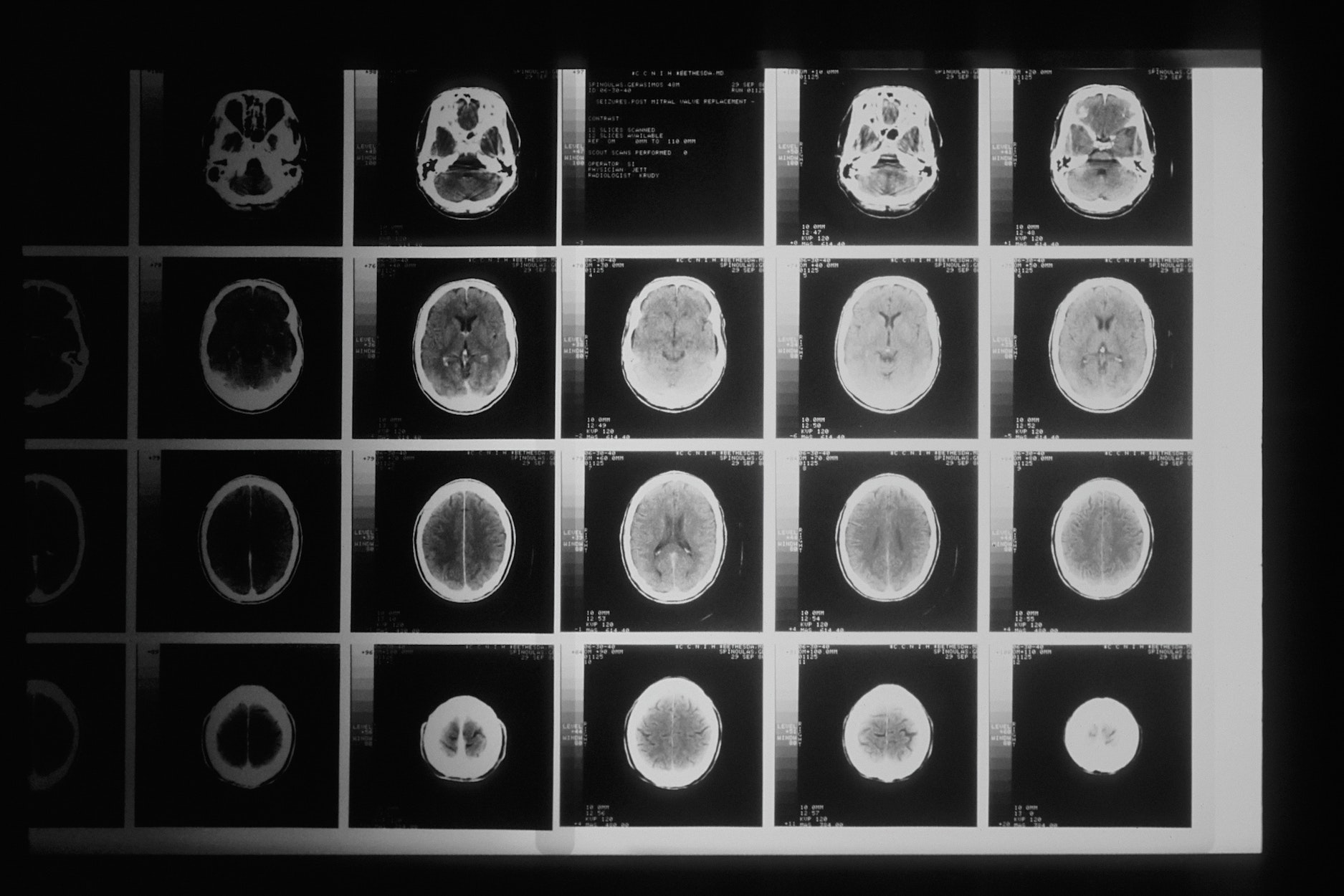
For some people, the hard part of a brain injury begins after the first emergency visit. The scan may show no bleeding, yet a return to work brings headaches, a shorter attention span, or trouble keeping up with ordinary tasks. Other people improve quickly. A claim involving longer lasting effects needs a record of the person’s actual course, including improvement, setbacks, and what clinicians observed.
The CDC explains that a mild traumatic brain injury or concussion can affect thinking, mood, sleep, and physical function. It also says a CT scan is not needed to identify every mild TBI, although a clinician may order imaging to look for bleeding or another complication. The National Institute of Neurological Disorders and Stroke describes a wide range of possible effects and recovery periods. Neither source supports assuming that one person’s recovery predicts another’s.
What changes after the first few weeks?
A patient may initially report headache and dizziness, then notice that reading takes longer or that a noisy workplace is exhausting. Someone else may have balance problems but no lasting concentration issue. The details matter because the phrase “long-term TBI” alone says little about the person’s limitations or future needs.
Follow-up visits can show whether a symptom has changed and what treatment was recommended. Depending on the findings, a clinician may discuss therapy, specialist evaluation, or testing of particular functions. Records should include the symptoms that are present and the ones that have resolved. Patients should follow their clinicians’ guidance about activity and return to work or school; a lawsuit is not a reason to continue a treatment that is no longer needed.
The CDC notes that some concussion symptoms appear hours or days after injury. When a later symptom emerges, its timing and the circumstances in which it appeared deserve an accurate note. A dated message to a supervisor about shortened hours, for example, may help explain what an office visit’s brief phrase “difficulty concentrating” meant in daily life.
Proving a continuing effect without flattening the story
Medical records show what a patient reported and what a provider found. Work records, school communications, calendars, and observations from family can show how a problem affected ordinary responsibilities. A before and after comparison is most useful when it is concrete. “I cannot do anything anymore” is difficult to test; “I reduced my shifts from eight hours to four because screen work triggered a headache” can be checked against schedules, messages, and follow-up notes.
Good days belong in the record too. A photograph from an outing does not prove that a person had no symptoms in the surrounding weeks, but an account that leaves out every improvement will be less credible. If there was a prior concussion, migraine, or other condition, earlier records can help distinguish what was already present from what changed after the accident.
Our Baton Rouge brain injury practice page explains how the firm approaches these claims. The published article on proving a TBI in court addresses scan and causation disputes in more detail, while brain injuries after car accidents discusses common injury types.
TBI Evidence Blueprint
5 steps to prove long-term impact
- Build the Timeline
Event details + symptom onset - Connect Symptoms to Function
Work, school, driving and daily tasks - Get Consistent Medical Care
Follow-up visits and referrals - Use the Right Testing
Neuro + cognitive and vestibular exams - Preserve Non-Medical Evidence
Video, witnesses, device/vehicle data
First 72 Hours — Evidence Checklist
- Photo crash damage
- Request nearby video
- Write symptom notes
- Keep work/school log
- Save ride receipts
© 2026 Babcock Partners, LLC
When the insurer questions the duration
A dispute about longer lasting symptoms often turns on causation. The insurer may ask whether a later complaint comes from the accident, a preexisting condition, a new event, or another health issue. Treating records, prior medical history, and a reliable timeline are more helpful than an absolute claim that every symptom must have one cause.
Normal imaging should be described carefully. A normal CT may be reassuring about certain serious complications; it does not rule out every mild TBI. Clinical findings and the course of care still matter. Equally, a diagnosis does not establish that an unrelated crash participant was at fault. The injury and the accident must be evaluated separately and then connected by evidence.
TBI Defense vs Evidence
Scroll horizontally to see all columns. Use the arrow keys when the table is focused.
| Defense Angle | Evidence Anchor |
|---|---|
| Low impact minor damage | Vehicle photos ED notes + symptom timeline |
| No head strike no concussion | Jolt mechanism early symptoms witness notes |
| Normal CT/MRI nothing is wrong | Clinical exams neurocog tests steady follow-up |
| Pre-existing not from crash | Baseline records before/after notes treating opinions |
| You're fine now so case is small | Work limits symptom diary rehab plan |
Goal: close proof gaps early
Keep records steady
before the story sets
© 2026 Babcock Partners, LLC
Louisiana rules and a practical next step
Louisiana Civil Code article 2315 provides the general fault based basis for damages. Article 3493.1 generally provides two years from injury or damage for qualifying delictual actions arising on or after July 1, 2024. Earlier incidents may follow prior law, and special claims or circumstances can have different deadlines. A person should not wait for every symptom to resolve before checking the filing deadline.
The current article 2323 also addresses comparative fault, including a bar at 51 percent or more negligence attributable to the injured person. Act 15 of 2025 took effect January 1, 2026; the incident date and governing law matter. These rules make the evidence about how the accident happened as important as the medical evidence about its effects.
If symptoms continue to change, keep an accurate chronology of care and daily limitations and bring the existing records to a lawyer. Babcock Injury Lawyers can review the possible claim through its contact page. The purpose of the review is to identify the applicable deadline, the evidence that may be lost, and the questions the medical records can actually answer.